Recognize and support
Learn bleeding control, shock recognition, exposure care, kit organization, and when professional help is urgent.
Explore medical guides →Clear, research-informed learning for medical emergencies, fire and rescue awareness, evacuation, and community readiness.
Survival Nexus helps learners, responders, and households recognize hazards, choose safer actions, organize reliable equipment, and practice before an emergency. The material is educational and supports—not replaces—certified training, medical direction, department procedures, or local protocols. Continue with recognized training and official references.
Learn bleeding control, shock recognition, exposure care, kit organization, and when professional help is urgent.
Explore medical guides →Build wildfire evacuation, scene-awareness, communication, and rescue-readiness habits within your role.
Explore fire and rescue →Plan for alerts, evacuation, accessibility, household continuity, and recovery—not one fantasy backpack.
Build a readiness system →Protect people first: understand local hazards, make evacuation and communication decisions in advance, cover essential needs, and practice the plan.
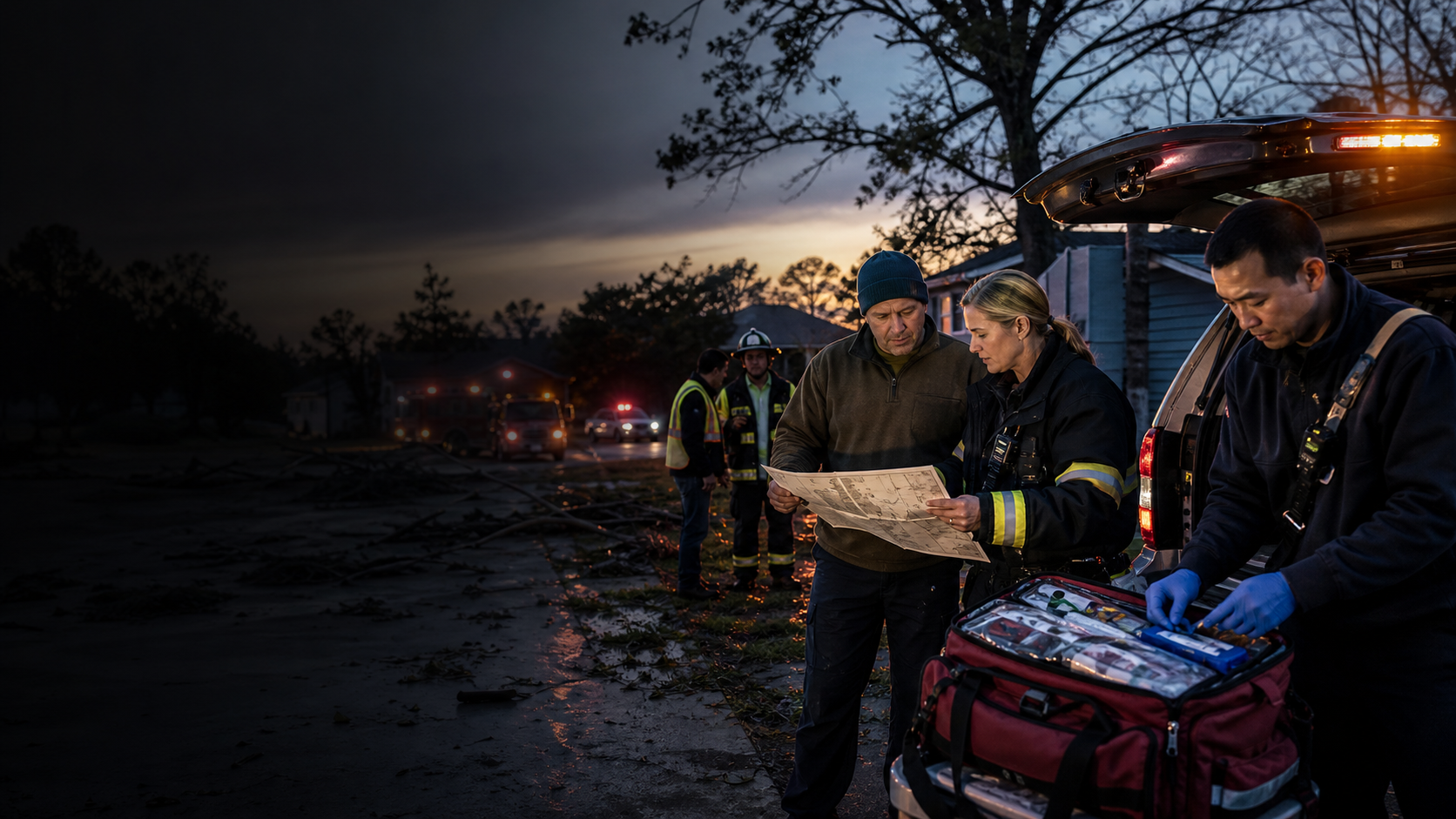
Useful preparedness starts with the people and hazards in your life. Equipment matters, but a closet full of products cannot replace an alert you will notice, a route you have driven, medicine you can reach, or a plan that includes every person and animal in your care.
Use one repeatable loop: assess the risk, decide what action matters, equip for that action, practice it, maintain the system, and learn after every drill or real event. Apply the loop at home, in a vehicle, and outdoors. The quantities change; the logic does not.
Recognize the hazard, receive official information, move away from danger, call for help, account for people and animals, and take only what is immediately reachable.
Use portable water, food, medicines, light, communication, clothing, sanitation, documents, and backup power while services and travel are disrupted.
Extend the home reserve where space and budget allow, especially water, shelf-stable food, hygiene, medication planning, pet needs, and safe temperature control.
Distribute those systems across four useful layers: a deeper home reserve, a portable evacuation bag, a smaller work or vehicle kit, and the Ten Essentials customized for each outdoor trip. Do not force everything into one fantasy backpack.
CDC guidance starts with at least one gallon per person per day for three days and recommends trying for two weeks when possible. Store more for heat, illness, pregnancy, and animals. Commercially bottled water is the safest emergency supply; pair storage with a treatment method and the knowledge to use it.
Understand water treatment →Build from food the household already eats: three portable days and, where practical, two weeks at home. Include a manual opener, infant or medical diets, hygiene supplies, and a medication plan developed with the prescribing clinician or pharmacist. Do not ration critical medication or improvise storage instructions.
Build the household kit →Maintain weather layers, rain protection, sturdy footwear, blankets or sleeping bags, and a plan for safe heating or cooling. Use generators outdoors at least 20 feet from doors, windows, and vents, as directed, with a working carbon-monoxide detector. Never use grills, charcoal, or camp stoves inside a home, garage, tent, or camper.
Pack outdoor safety systems →Keep a first-aid kit, training appropriate to your activities, a health summary, glasses, hearing-aid batteries, mobility-device tools, chargers, and daily medical supplies. First aid supports professional care; it does not replace emergency services or skills you have not learned.
Organize a practical first-aid kit →Use redundant light and charging: headlamp, compatible batteries, tested power bank, cables, radio, whistle, paper map, waterproof notes, and printed contacts. Download useful maps before travel and tell a trusted person where you are going and when to raise the alarm.
Compare radios and backup power →Recovery begins before impact. Photograph possessions, review insurance, protect records, and save important numbers outside the phone. Learn utility shutoff procedures from the utility or a qualified professional; shut service off only when officials instruct you or an immediate hazard makes it clearly necessary and safe. Only a qualified professional should restore gas service.
Use the printable checklist →Meet Smokey Bear—not “Smokey the Bear.” The national campaign began in 1944, and in 2001 its signature line was updated from “forest fires” to the broader “wildfires” wording used today:
“Only You Can Prevent Wildfires.”
Smokey Bear’s message is about preventing unwanted, human-caused wildfires. Prescribed fire and natural fire can play important ecological roles when managed by qualified authorities. The public’s job—especially during hot, dry, windy summer conditions—is to avoid creating the ignition that puts people, firefighters, homes, and wildlands at risk. Wildfire danger and fire restrictions can occur in any season, so check current conditions every time.
Smokey Bear and the quoted slogan are referenced for public-safety education. The campaign is administered by the USDA Forest Service, the National Association of State Foresters, and the Ad Council; no affiliation or endorsement is implied.
Name local hazards, enable alerts, select contacts and meeting points, map two exits, and write the first version of the household plan.
Store the first three-day water layer, organize food and sanitation, reconcile medicines, and document accessibility and power needs.
Build the grab pouch, evacuation bags, vehicle kit, pet modules, and charging layer. Carry-test every bag instead of trusting its label.
Run a five-minute departure drill and a simulated outage drill. Fix confusion, excess weight, inaccessible items, and dead batteries.
Source-checked . General educational guidance cannot cover every hazard, location, disability, medical condition, or active incident. Verify current local instructions and use qualified training. See the Survival Nexus safety disclaimer.
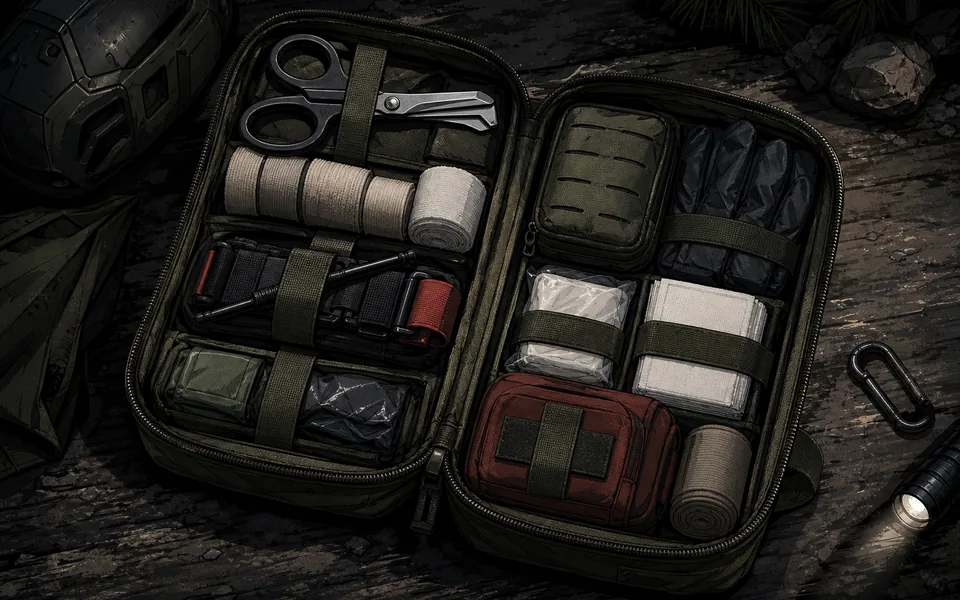
Assessment fundamentals, bleeding control, shock recognition, exposure management, and organized medical equipment.
Explore EMS Guides →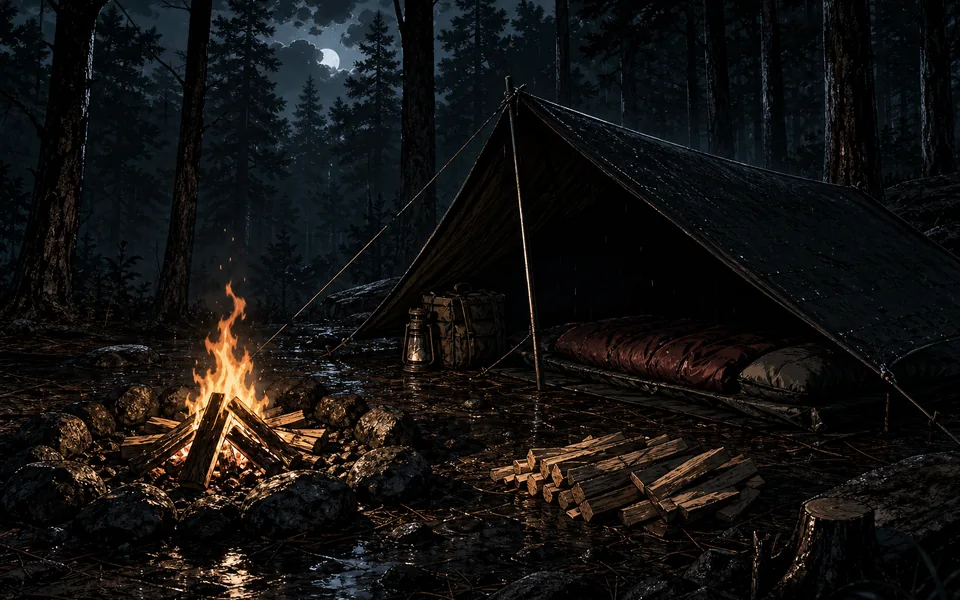
Wildfire prevention, evacuation, responder health, incident awareness, and fire-service learning priorities.
Explore Fire Guides →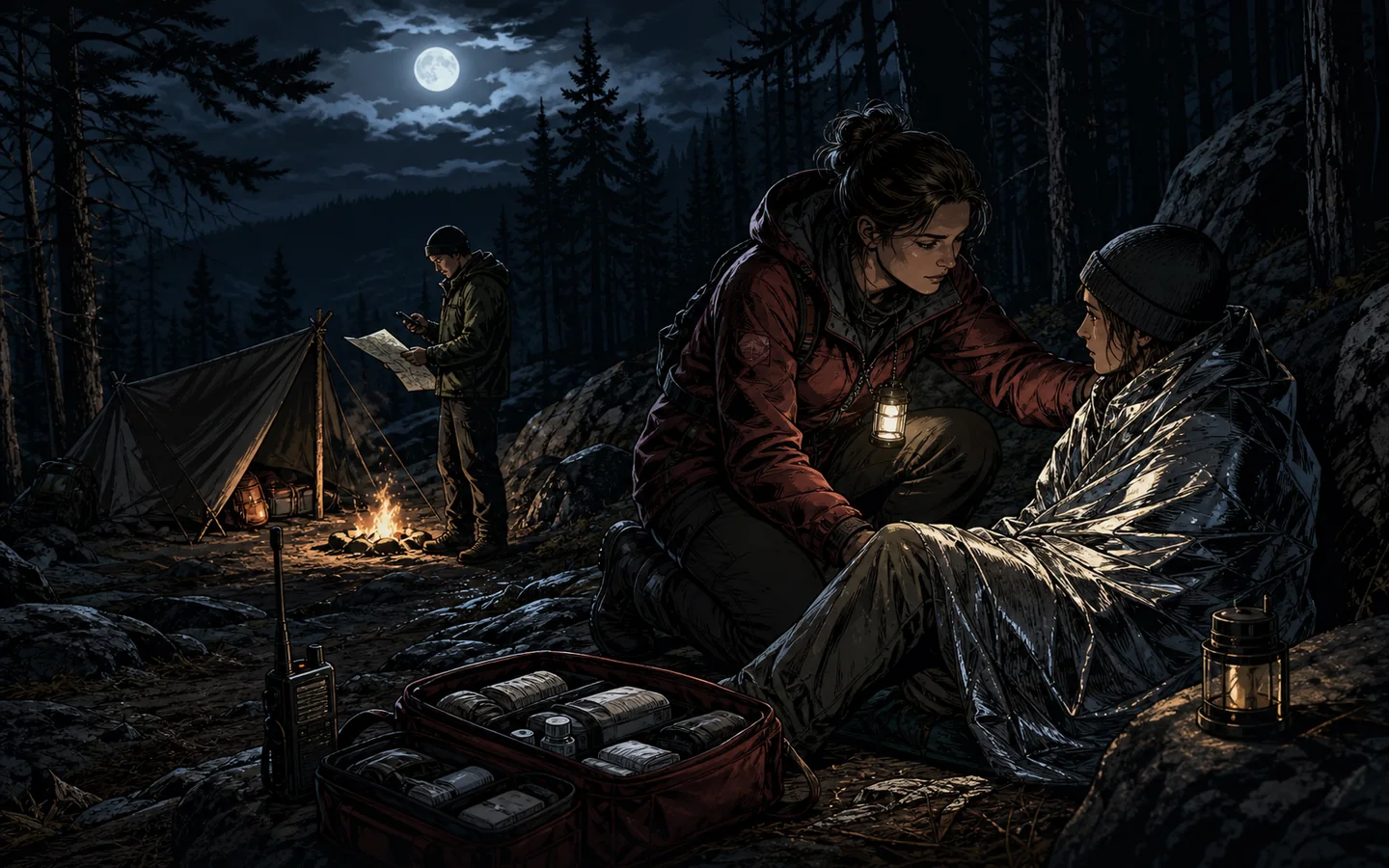
Practice scene awareness, resource decisions, communications, reassessment, handoff, and after-action learning.
Practice Scenarios →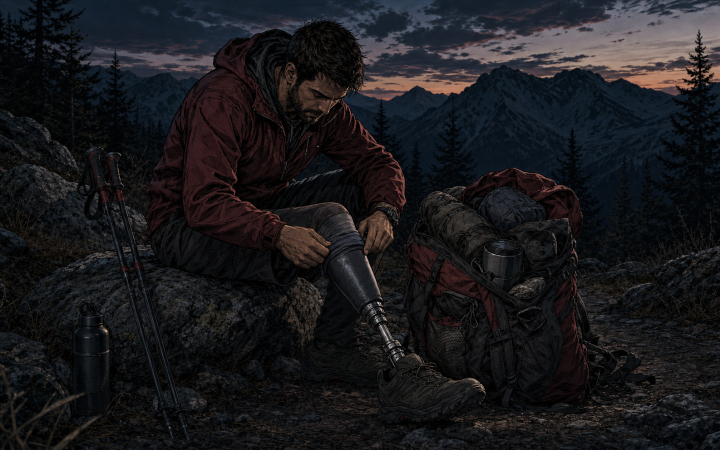
Design equipment and readiness systems around mobility, load, fatigue, heat, recovery, and bodies that work differently.
Explore Readiness Guides →With your permission, check NWS weather, nearby USGS earthquakes, and recent FEMA declarations—or enter coordinates manually.
Research-informed medical and readiness problems organized around preparation, scene awareness, actions within training and protocol, reassessment, handoff, and debrief.
Reduce structure ignition risk, leave early, plan adaptive evacuation, and return only after official clearance.
Choose a safer site, insulate from the ground, and deploy weather protection without creating a second hazard.
Use map-and-compass fundamentals and make a deliberate retrace, stay-put, signaling, or rescue decision.
Create a practical household plan, then save or print the companion checklist.
Continue with recognized EMS education, fire-service resources, official safety guidance, and adaptive programs.
A research-informed look at bleeding-control equipment, access order, packaging, sourcing, and practice boundaries.
An offline-first shift companion for personal readiness checks, fatigue awareness, equipment notes, and end-of-shift decompression. Nightbird stores entries in your browser and is not a patient record, dispatch system, or clinical tool.
Open NightbirdGear comparisons, equipment research, supplier notes, and paid retailer links now live in a distinct commercial section. Safety education remains separate and does not require a purchase.
Visit Shop Gear Find Training Resources