1. Mindset: Control, Not Chaos
Fire is both a survival asset and a risk multiplier. The key is control—understanding conditions, materials, and timing. Respect fire as a system: fuel, oxygen, ignition, and containment.
2. Core Ignition Methods
- Ferrocerium rods: Reliable under wet conditions, works when lighters fail.
- Bic or piezo lighter: Simple, compact, and effective with dry tinder.
- Battery + steel wool: Emergency ignition using common gear.
- Magnifying lens: Infinite fuel source when sunlight cooperates.
3. Tinder & Kindling
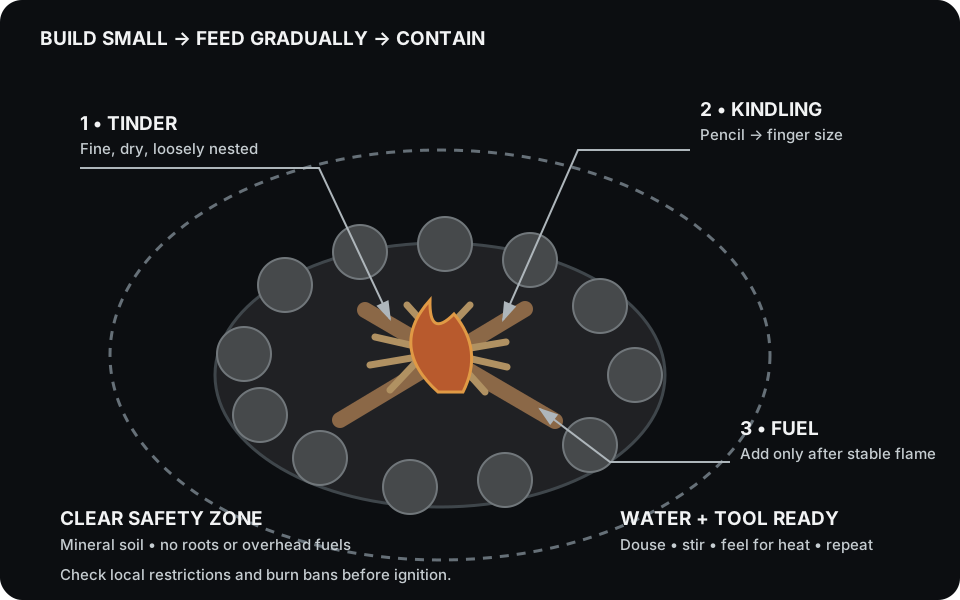
Dry plant fibers, fatwood shavings, or cotton with petroleum jelly provide quick ignition. Keep tinder sealed and accessible in a waterproof capsule. Test different materials before a trip.
4. Fire Setup Techniques
- Teepee: Fast heat-up, ideal for quick warmth or signaling.
- Log cabin: Stable and long-burning; great for cooking.
- Long fire: Efficient for sleeping beside in cold conditions.
5. Safety & Environment
Always clear the ground of debris, build on mineral soil, and keep water nearby. Observe local burn bans. Extinguish fully: stir, douse, repeat until cool to the touch.
6. Field Exercise
Set a 10-minute timer. Ignite a fire using your secondary method (not your lighter). Note the materials, weather, and number of attempts. This builds skill and timing awareness.
Compare outdoor equipment
Product research and paid retailer links are maintained separately from this archived educational guide.
Researched Gear Shortlist
Paid-link disclosure: If you purchase through an Amazon link below, I may earn a commission at no added cost to you.
-
bayite 4-Inch Ferro RodView on Amazon (paid link)
A large rod and dedicated striker for practicing a dependable backup ignition method.
-
MSR PocketRocket Deluxe StoveView on Amazon (paid link)
A regulated canister stove for outdoor cooking. Never operate a fuel-burning stove in a tent, vehicle, or other enclosed space.